- Mar 23
What is Sage?
- Holly Janes
- Herbs
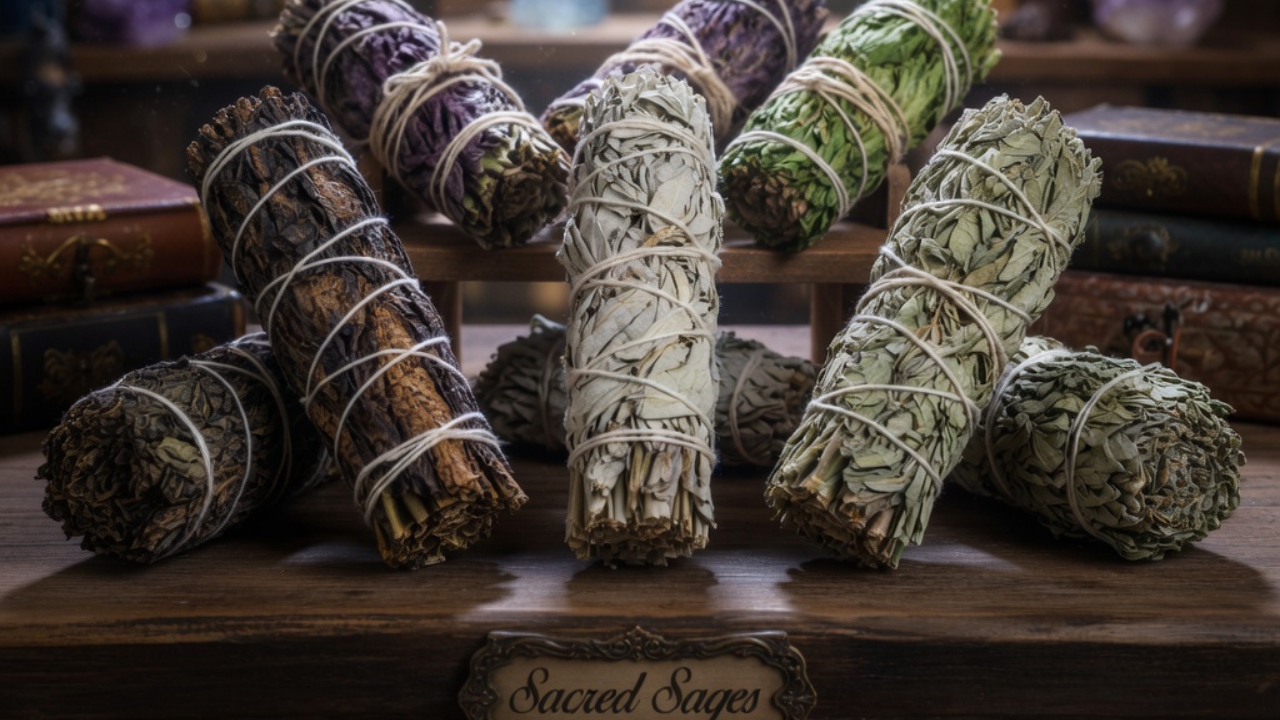
Learn what sage is, where it comes from, the different types, and how each one is used in spiritual practices.
Sage is an herb called Salvia officinalis, and it grows naturally in regions like the Mediterranean, parts of Europe, and areas of North America where the climate is dry and warm. Over time, different types of sage have adapted and grown in other regions, especially in the southwestern United States and Central America. This plant has been used for centuries by Indigenous cultures in ceremonies, where it was burned as part of a practice known as smudging. These ceremonies were used to prepare for rituals, clear spaces before gatherings, support healing work, and create a sense of balance within a person or environment. In this post, you are going to learn what sage is, where it comes from, how it is used in spiritual practices, and how different types of sage are used for specific purposes when working with energy in your home, around your body, and with personal objects.
Sage has been used for thousands of years as a way to work with the energy of a person, a place, or an object. When sage is burned, it produces smoke that interacts with the air, and this smoke is what is used during smudging practices. From a scientific perspective, sage contains natural compounds such as essential oils and antimicrobial properties, which means it has the ability to affect bacteria in the air. Studies have shown that burning certain medicinal herbs like sage can reduce airborne bacteria for a period of time, which explains why it has been used historically in both spiritual and practical settings. The plant also contains compounds like thujone, cineole, and camphor, which contribute to its strong scent and its effect on the environment. This is part of why sage has been used not only in spiritual practices but also in traditional medicine, cooking, and preservation. When you combine its natural properties with intentional use, sage becomes a tool that people use to shift the atmosphere around them.
There are many different types of sage, but when it comes to spiritual practices, a few specific varieties are used more often than others. Each type of sage has its own characteristics based on where it grows, how it is processed, and how it has been used historically. Some types are stronger in scent, while others are softer and easier to work with, depending on what you prefer and what you are using it for. Before you use sage, it helps to understand which type you are using and why, because each one serves a slightly different purpose. Below, you will learn about the most commonly used types of sage, what they are, where they come from, what they are used for, how they are typically used, and where you can find them.
White Sage
White sage is one of the most commonly used types of sage in spiritual practices. Its scientific name is Salvia apiana, and it is native to the southwestern United States and parts of northwestern Mexico. This plant grows in dry, desert-like climates and has thick, silvery leaves that are often bundled together once they are harvested and dried. White sage has been used for centuries by Indigenous tribes, particularly in ceremonial practices where it is burned to prepare a space, support healing work, and create a focused environment. It is known for its strong scent and steady burn, which makes it one of the most recognizable forms of sage used today.
White sage is primarily used when you want to work with the energy of a space, your body, or an object in a direct and noticeable way. People often choose white sage when they feel that the environment needs a full reset or when they want to prepare for meditation, spiritual work, or any kind of focused practice. To use white sage, it is usually lit at the end of the bundle until it begins to produce smoke, and then the flame is gently blown out so the leaves continue to smolder. The smoke is then moved through a space, around your body, or over objects. When you are finished, the bundle is placed in a fire-safe bowl or dish and allowed to fully extinguish. White sage can be purchased in bundled form, loose leaf form, or as part of prepared kits from spiritual shops, online stores, and some wellness retailers.
Blue Sage
Blue sage, also known as desert sage, has the scientific name Salvia azurea. It grows in parts of North America, especially in dry plains and desert regions. The leaves of blue sage are lighter in color and have a softer, more subtle scent compared to white sage, which makes it a more approachable option for people who prefer something less intense. This type of sage has been used in spiritual practices as a way to create a calm environment and to support emotional balance. Because the scent is lighter, it is often chosen for everyday use rather than for stronger or more intense scents.
Blue sage is commonly used when you want to bring a sense of calm into your home or when you are healing your own emotional state. It is often used before meditation, relaxation practices, or quiet time where you want the environment to feel calmer. Because the scent is softer and less overpowering, it is easier to handle and more comfortable to use when you are just starting out. The way you use blue sage is the same as white sage, where the bundle is lit, allowed to smolder, and the smoke is directed where needed. Blue sage is widely available online, in spiritual shops, and in stores that carry herbs and natural products.
Black Sage
Black sage, scientifically known as Salvia mellifera, is another variety that grows in the southwestern United States, particularly in California. This plant has darker leaves and a more earthy scent, which sets it apart from other types of sage. Historically, black sage has been used in practices related to dreams, intuition, and inner awareness. It is often associated with work that involves the mind, such as reflection, insight, and deeper states of focus. Because of this, it is not always used in the same way as white sage or blue sage, and it tends to be chosen for more spiritual based purposes.
Black sage is often used when you are focusing on your inner self rather than your external environment. It is commonly used before sleep, during meditation, or when you are trying to connect with your spirit side in a more focused way. The process of using black sage is the same as other types, where it is lit, allowed to produce smoke, and you waves the smoke all around you. Due to its more specific use, it may not be as widely available as white sage, but it can still be found through specialty herb shops and online retailers that focus on spiritual or botanical products.
Garden Sage
Garden sage, or Salvia officinalis, is the same type of sage that is often used in cooking. It grows in many parts of the world, including Europe and North America, and is commonly found in home gardens and grocery stores. While it is widely known for its culinary use, it has also been used in traditional practices for centuries. Because it is more accessible than other types of sage, it is sometimes used as an alternative when other varieties are not available. Its scent is more familiar and less intense, which can make it easier for you to work with.
Garden sage is often used for general purposes when cleansing your space or personal environment. It is a practical option that can be used in the same way as other types of sage, although it may not produce as much smoke or have as strong of an effect. To use garden sage, it can be dried and bundled, or loose leaves can be burned in a fire-safe container. It is widely available in grocery stores, garden centers, and online, which makes it one of the easiest types of sage to access.
How Sage is Harvested and Prepared
Sage is typically harvested by cutting the stems of the plant once the leaves are mature. After harvesting, the sage is bundled together and left to dry in a well-ventilated area. This drying process removes moisture from the leaves, which allows them to burn slowly and consistently when used. Once fully dried, the bundles are tied tightly so they hold their shape and can be easily handled, this is called a Sage Stick. In some cases, sage is also processed into loose leaves, powders, or oils depending on how it'll be used.
The way sage is prepared affects how it burns and how it's used. A tightly bundled sage stick will burn slowly and produce a steady stream of smoke, while loose leaves will burn more quickly and may require a dish or bowl to contain them. The drying process is important because it ensures that the sage can be stored for long periods without spoiling. Properly dried sage can last for months or even years when stored correctly.
How to Use Sage
Using sage is a simple process, but it's done with intention and attention. The bundle or loose leaves are lit at one end until a small flame appears, and then the flame is blown out so the sage continues to smolder. The smoke that's produced is what is used during the process. This smoke can be directed through a room, around your body, or over objects depending on what you are working with. The movement of the smoke is controlled by your hand or by gently guiding it with a feather or your breath.
When you are finished using sage, it's important to fully extinguish it. This is usually done by pressing the burning end into a fire-safe dish, sand, or salt until the smoke stops. This step is important for safety and to ensure that the sage doesn't continue to burn unattended. Taking the time to properly put out the sage is part of using it responsibly.
How to Store Sage
Sage should be stored in a dry place where it is protected from moisture. Keeping it in a sealed container, a box, or a drawer helps maintain its dryness and prevents it from breaking apart. If sage is exposed to moisture, it may not burn properly, which can affect how it's used. It's also helpful to store sage in a place where it won't be crushed or damaged, especially if it's in bundle form.
Keeping sage stored properly allows it to last longer and ensures that it's ready to use when you need it. Many people keep their sage in a dedicated space along with other items they use in their practices, which makes it easy to access and keeps everything organized.
Choosing the Right Sage
Choosing the right type of sage depends on what you are trying to do. White sage is often chosen for stronger, more direct work with your environment. Blue sage is used when you want a softer, more calming experience. Black sage is used when you are focusing on your thoughts or inner awareness. Garden sage is a practical option that can be used when other types are not available. Understanding these differences helps you decide which type to use based on your situation.
Sage is a tool, and how you use it depends on what you need in that moment. When you understand what each type is, where it comes from, and how it's used, it becomes easier to work with it in a way that fits what you are doing.
Join For Free
Join the Awaken Membership to start working with your energy using guided meditations, a beginner course, and a supportive community. It’s free to join!