The History of Meditation
Ancient Beginnings of Meditation
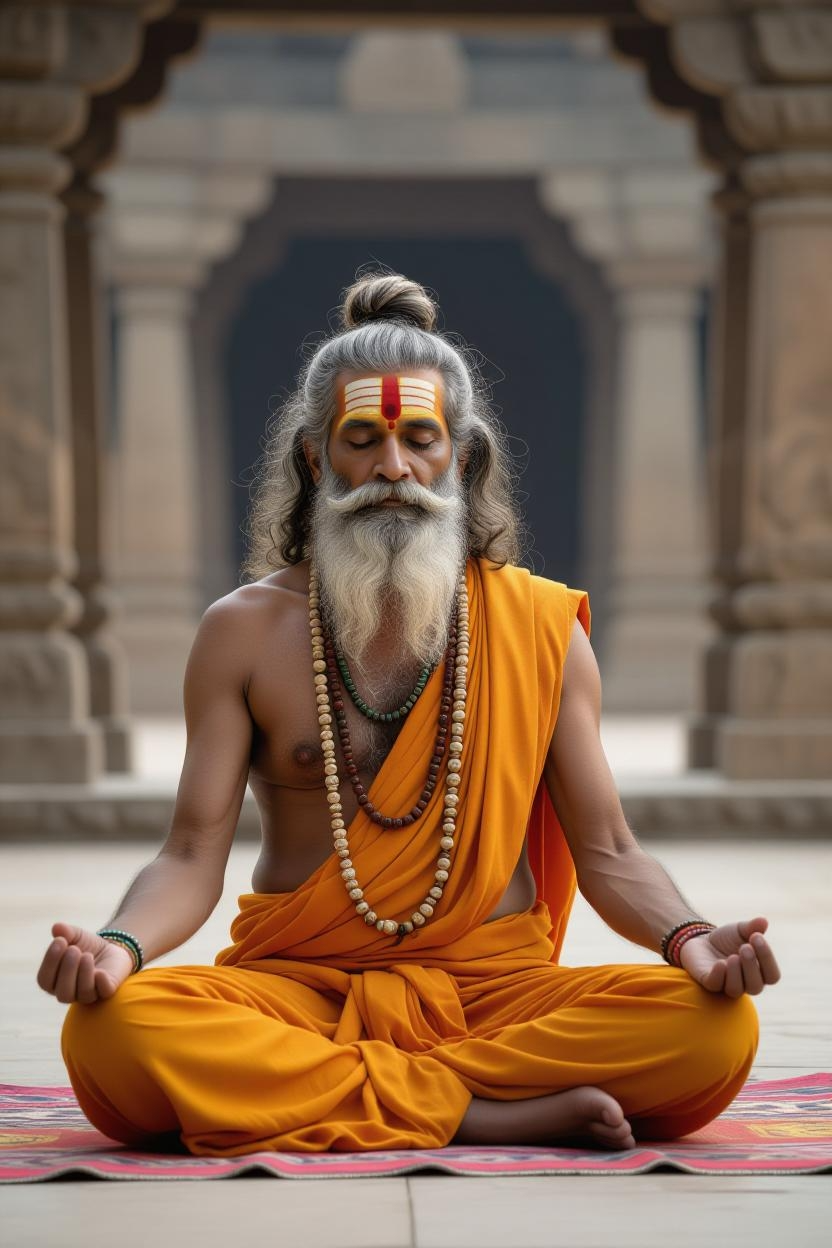
Meditation began over 5,000 years ago in ancient civilizations, particularly in the Indus Valley, now part of India and Pakistan. People used seated postures and breathing techniques to align with nature and the universe. These practices were later written into the Vedas, sacred Hindu texts that shaped spiritual teachings. From there, meditation grew and spread, becoming a key part of seeking wisdom and inner peace across early cultures.
Meditation in Global Traditions
As meditation evolved, it became central to many spiritual traditions. In India, yogis meditated to reach higher consciousness and connect with divine energy. In China, Taoists used meditation to balance their life force, known as Chi, with nature. Buddhists developed mindfulness and loving-kindness meditation to achieve enlightenment. In Judaism, meditative prayer deepened devotion, while Christian monks used silent contemplation to connect with God. In Islam, Sufi mystics practiced rhythmic breathing and movement for spiritual union. Each tradition shaped meditation uniquely, but all aimed to quiet the mind and connect with something greater.
The Rise of Zen and Mindfulness
Zen meditation, rooted in Chinese Buddhism and later prominent in Japan, emphasizes simplicity, breath, and living fully in the present moment. This focus on awareness became the foundation for mindfulness, a practice that teaches finding peace by staying grounded in the now. By letting go of past regrets and future worries, mindfulness helps you achieve clarity and calm, influencing many modern meditation practices.
Meditation’s Journey to the West
Meditation remained mostly an Eastern practice until the 20th century, when it spread to the West. In the 1950s, Maharishi Mahesh Yogi introduced Transcendental Meditation (TM), using a repeated word or phrase to focus the mind, gaining popularity with figures like The Beatles. In 1958, the book “Dharma Bums” brought Zen Buddhism to American audiences, making meditation more approachable. In 1979, Jon Kabat-Zinn created Mindfulness-Based Stress Reduction (MBSR), a secular practice to help with stress, pain, and anxiety, bringing meditation into medical and therapeutic settings.
Meditation and Martial Arts
In Eastern traditions, meditation was often paired with martial arts to train both body and mind. Warriors used meditation to sharpen focus, control reactions, and act with intention. The goal was not just physical strength but self-mastery, using mental clarity to enhance discipline and spiritual grounding.
Influence of The Tibetan Book of the Dead
In the 1920s, The Tibetan Book of the Dead was translated into English, introducing Westerners to Tibetan Buddhist teachings about life, death, and the soul’s journey. Its meditative practices offered guidance for spiritual preparation and insight, showing meditation as a tool for both relaxation and profound soul exploration.
Meditation in the Modern World
Today, meditation is practiced worldwide by people from all walks of life. Some use it to reduce stress and improve mental health, while others, like at MediSoul Institute, focus on spiritual meditation to connect with higher realms, clear energy, and receive intuitive guidance. Using breathwork, visualization, and light hypnosis, this approach helps you reach deeper states for personal and spiritual growth. Meditation remains a timeless practice, guiding you to connect with yourself and the universe, whether for calm or soul expansion.